Vercel Integrates Fluid Compute Architecture Across All Build and Execution Layers

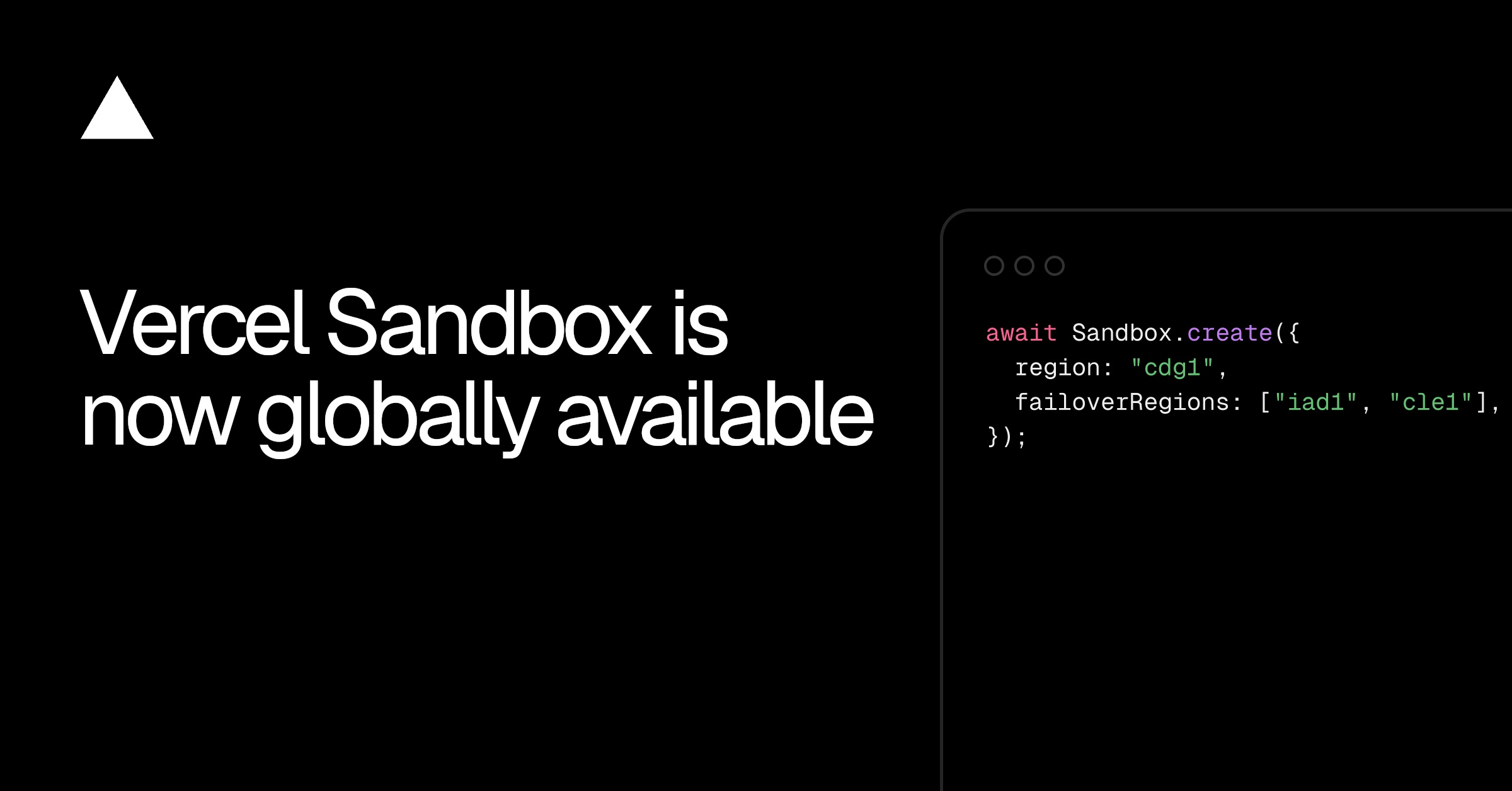
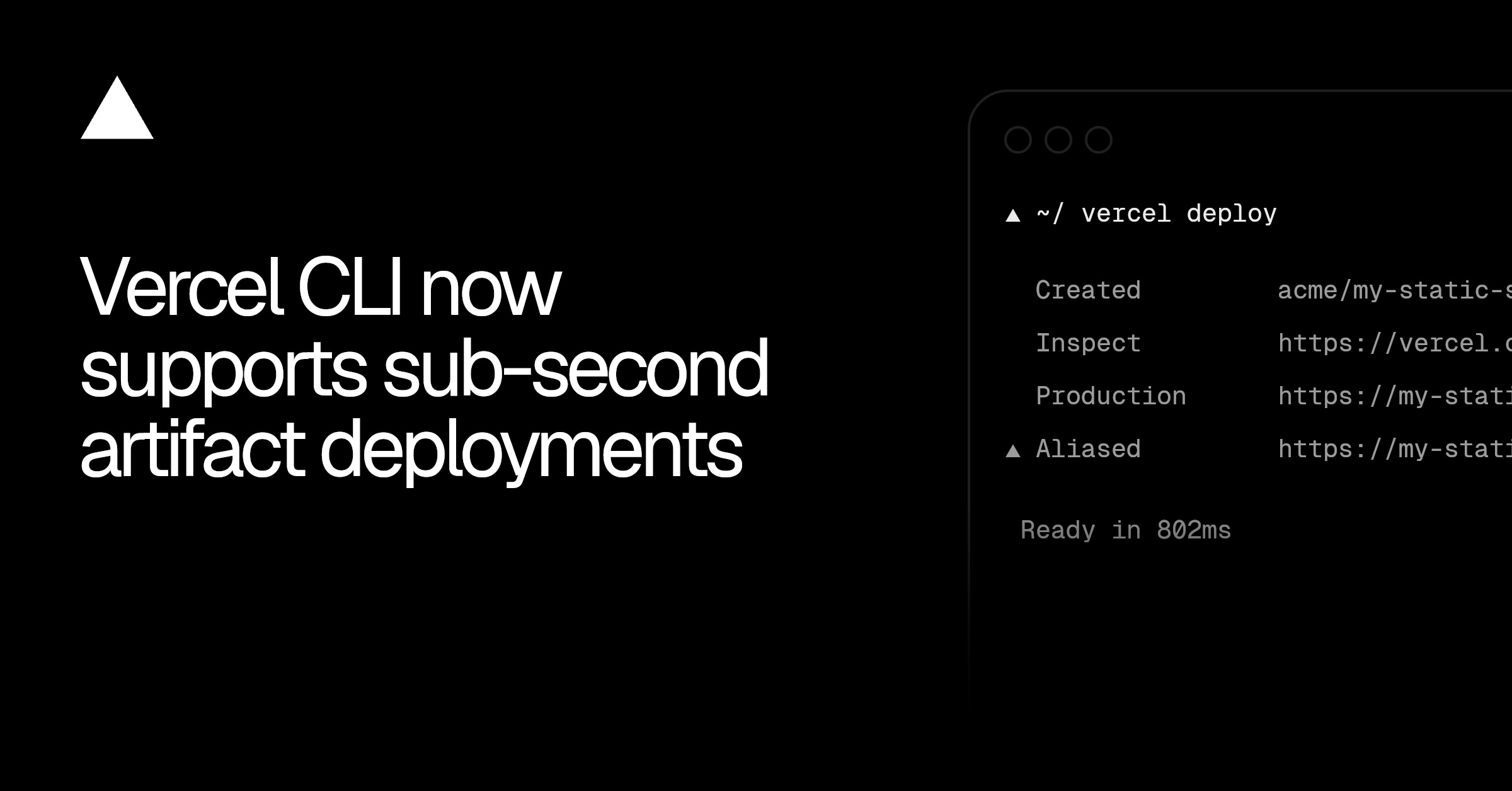
Vercel has fully integrated its Fluid compute architecture, a dynamic resource allocation system designed to shape hardware configurations in real time based on active workload demands. Fluid manages the compilation of build processes, secure sandboxes, and serverless function executions under a single, unified system. This approach eliminates traditional infrastructure provisioning, allowing developers to deploy applications and AI agents without configuring individual VM types.
Related tools
Recommended tools for this topic
These picks prioritize high-intent tools relevant to this topic. Some links may include partner or affiliate tracking.
High-value hosting and deployment path for frontend and cloud readers.
View VercelStrong cloud alternative for startups and developer-led infrastructure decisions.
View DigitalOceanA strong security and edge platform match across CDN, Zero Trust, and app protection.
View CloudflareComparison
| Aspect | Before / Alternative | After / This |
|---|---|---|
| Resource Provisioning | Manual selection of instance types, memory limits, and compute primitives | Dynamic, real-time resource shaping based on active workload demands |
| Infrastructure Silos | Fragmented environments for builds, sandboxes, and serverless functions | A single unified layer handling all execution types seamlessly |
| Traffic Burst Handling | Manual scaling adjustments or configuration tuning to prevent bottlenecks | Automatic real-time scaling and resource redistribution across the pool |
Source: Vercel Changelog
This page summarizes the original source. Check the source for full details.