NVIDIA Drives AI Demand via Hopper Sales While Blackwell Delays Force Data Center Strategy Adjustments
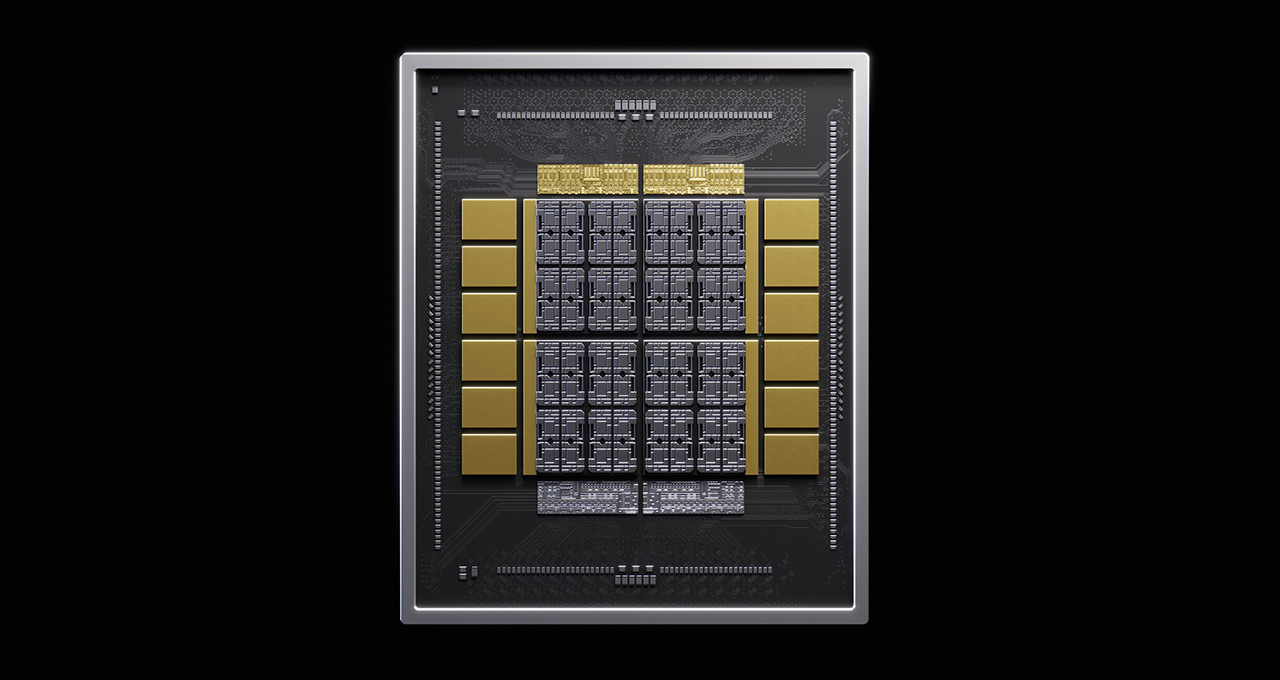
NVIDIA reported robust Q2 FY2026 earnings driven by high demand for Hopper-based H100 and H200 GPUs, even as design challenges delay the next-generation Blackwell architecture. Engineers and cloud providers must now optimize existing Hopper setups while adapting deployment schedules for the delayed Blackwell chips.

NVIDIA's latest financial report shows that demand for AI GPUs continues to outpace supply, with Hopper-generation H100 and H200 shipments serving as the primary revenue drivers. This sustained growth demonstrates that cloud service providers and enterprise entities are still investing heavily in physical AI infrastructure. The strong sales help ease market concerns regarding an immediate plateau in artificial intelligence infrastructure spending.
Primary source
Open AI Economy Watch ↗This article summarizes the source. Check the original for full details and conditions.
Comparison
| Aspect | Before / Alternative | After / This |
|---|---|---|
| Primary GPU Architecture | Hopper Architecture (H100, H200) | Blackwell Architecture (B100, B200) |
| Supply Availability | High volume shipments, currently driving immediate datacenter revenues | Delayed by several months due to design and manufacturing yield issues |
| Operational Focus | Optimizing existing clusters and scaling out H100/H200 nodes | Re-evaluating migration timelines and initial capacity planning |
Action Checklist
- Assess current Hopper-based reservation and procurement contracts Secure additional H100 or H200 capacity if Blackwell deployment was expected in the near term.
- Refactor immediate compute capacity expansion schedules Account for a multi-month shift in Blackwell availability timelines.
- Optimize existing cluster efficiency and software stack performance Focus on squeezing higher throughput from existing H100/H200 nodes during the interim period.