Integrating Model Context Protocol Tools with Reachy Mini Robot Arm
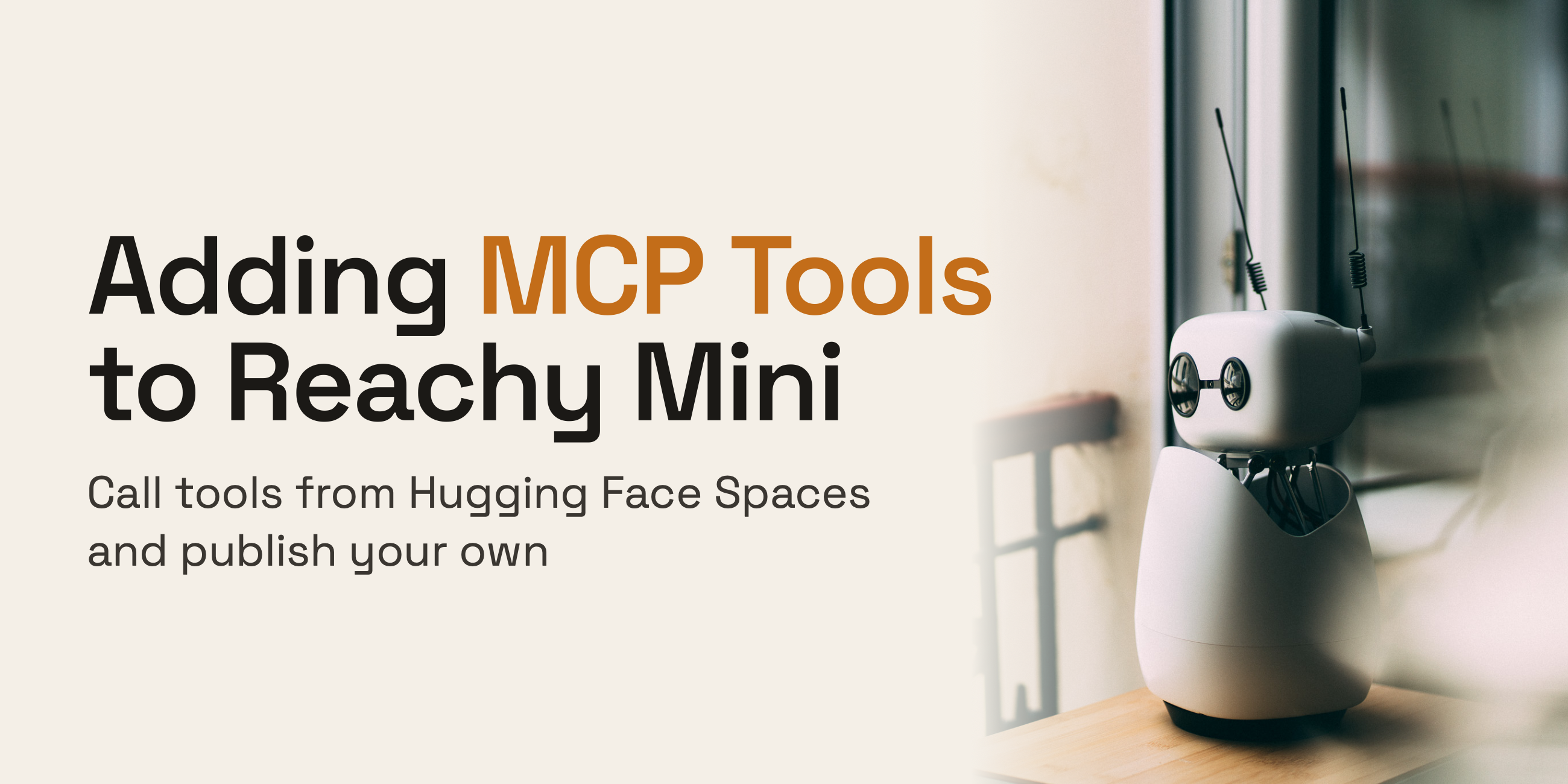
The integration of Model Context Protocol (MCP) tools into the Reachy Mini hardware architecture marks a shift in how external language models interact with physical robotics. This update addresses the integration requirements, interface dependencies, and environmental constraints necessary for implementing the new protocol. Organizations utilizing Reachy Mini should focus on mapping their current hardware controls to the newly available MCP schemas.
Related tools
Recommended tools for this topic
These picks prioritize high-intent tools relevant to this topic. Some links may include partner or affiliate tracking.
Strong fit for AI, backend, and frontend readers looking for an AI-first coding workflow.
View CursorNatural next step for readers evaluating LLM adoption, APIs, and production inference.
Explore APIHigh-value hosting and deployment path for frontend and cloud readers.
View VercelComparison
| Aspect | Before / Alternative | After / This |
|---|---|---|
| Tool Integration Protocol | Custom proprietary APIs and ad-hoc communication wrappers | Model Context Protocol (MCP) standardized schemas |
| LLM Compatibility | Highly dependent on specific custom client implementations | Interoperable with any MCP-compliant LLM or client |
| Hardware Control Abstraction | Direct hardware register mapping inside runtime code | Abstracted tool definitions exposed through local MCP servers |
Action Checklist
- Review current Reachy Mini hardware configurations and dependencies Ensure your local python environment matches the required MCP SDK version.
- Deploy the local MCP server on the robot host machine Verify that port settings and access permissions do not conflict with existing services.
- Validate tool calling functionality in a isolated staging simulation Simulate motor control limits and safety boundaries before running code on actual hardware.
- Transition production robot controllers to the new protocol incrementally Monitor hardware response latency and error logs during the initial deployment phase.
Source: Hugging Face Blog
This page summarizes the original source. Check the source for full details.