Google DeepMind Releases WeatherNext AI Model Providing Early Tropical Cyclone Warnings
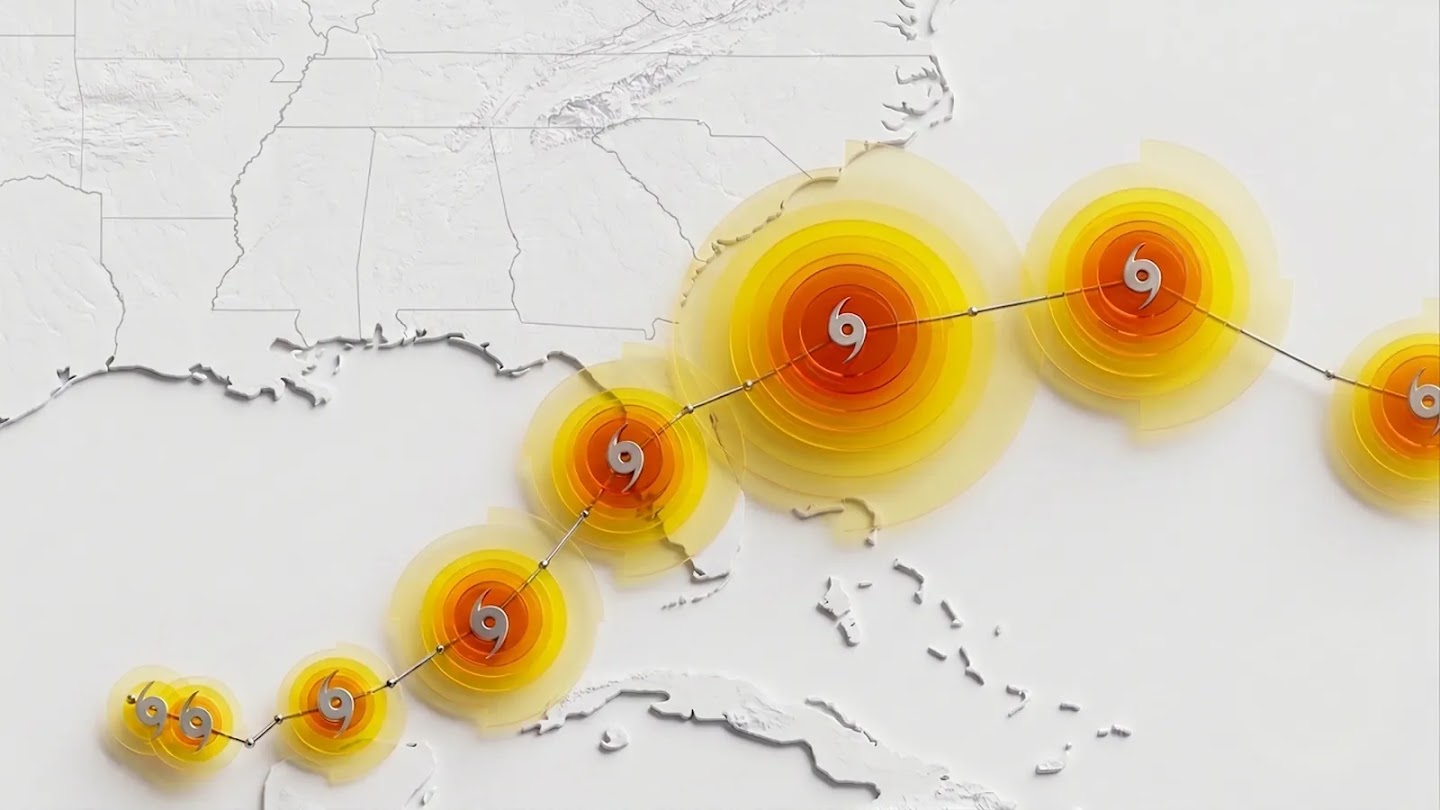
Google DeepMind and Google Research, in collaboration with the National Hurricane Center and the UK Met Office, have developed and open-sourced WeatherNext, an AI model designed for high-accuracy tropical cyclone forecasting. Published in Nature, the model predicts storm tracks, intensity, and wind structure. By enabling earlier preparation times, the model aims to reduce the public safety risks associated with severe weather events.
Related tools
Recommended tools for this topic
These picks prioritize high-intent tools relevant to this topic. Some links may include partner or affiliate tracking.
Strong fit for AI, backend, and frontend readers looking for an AI-first coding workflow.
View CursorNatural next step for readers evaluating LLM adoption, APIs, and production inference.
Explore APIA strong fit for readers comparing Claude-class models, safety, and long-context workflows.
View AnthropicComparison
| Aspect | Before / Alternative | After / This |
|---|---|---|
| Forecast Lead Time | Equivalent accuracy up to 3 days in advance using traditional numerical models | Maintains the same accuracy level up to 4 days in advance, gaining an extra day of preparation |
| Computational Overhead | High computational costs and slower processing times inherent in physics-based numerical weather prediction | Rapid inference times suitable for operational deployment and real-time forecasting scenarios |
| Accessibility | Proprietary forecasting algorithms or highly restricted meteorological infrastructure | Open-source code available for global meteorological agencies and researchers to run and fine-tune locally |
Action Checklist
- Access the open-source WeatherNext repository Verify system requirements and dependencies for running deep learning weather models.
- Align local meteorological observation data with model inputs Ensure your regional data formats match the training data specifications used by DeepMind.
- Integrate WeatherNext predictions with existing ensemble forecasting pipelines Evaluate how the AI-driven outputs correlate with traditional physics-based models in your pipeline.
- Conduct regional validation runs on historical cyclone data Validate accuracy against local past events to calibrate intensity and track metrics before live operations.
Source: DeepMind Blog
This page summarizes the original source. Check the source for full details.


