Google DeepMind Launches AI Co-clinician Research Initiative to Support Global Healthcare Workforce Challenges
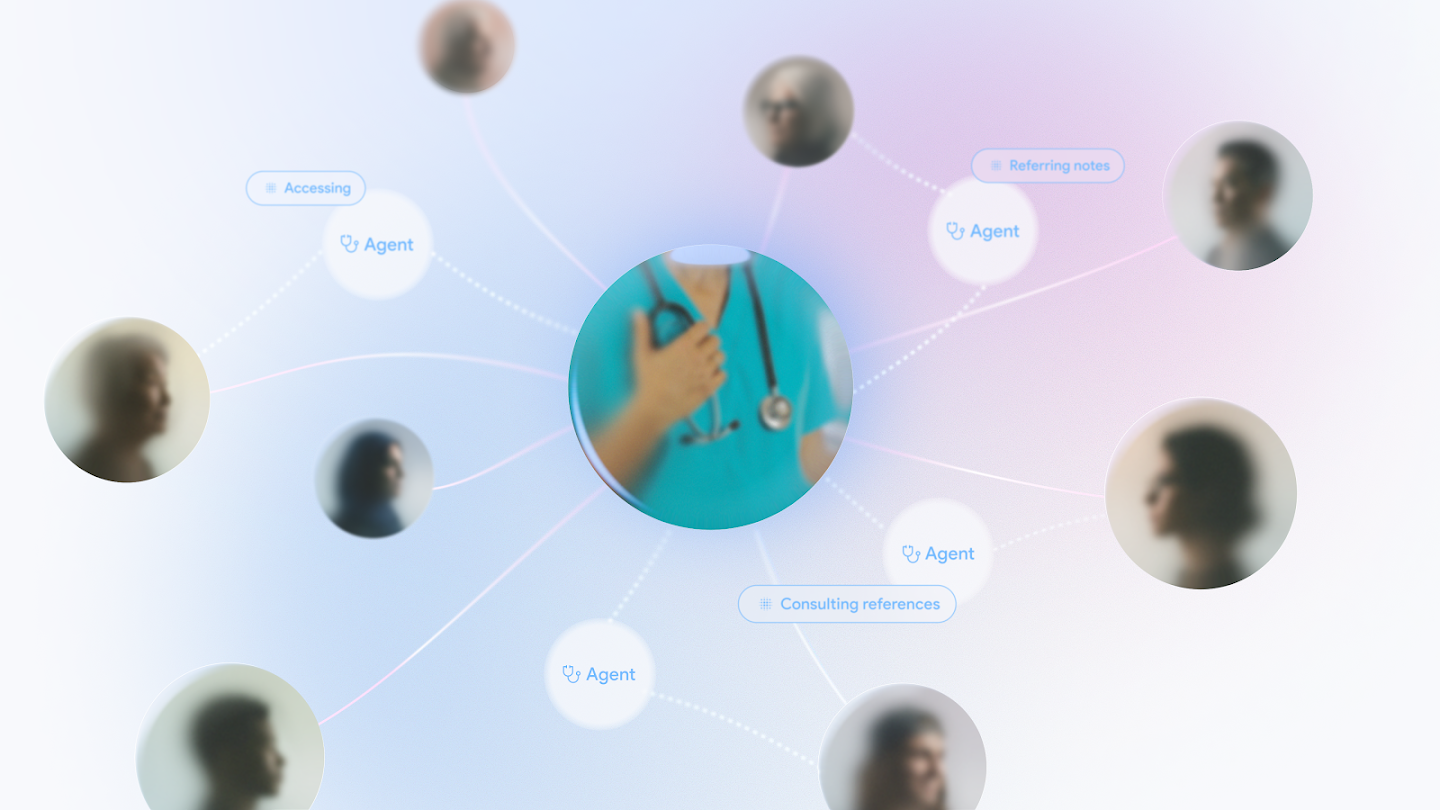
The AI co-clinician initiative builds upon previous breakthroughs such as MedPaLM, which demonstrated mastery of medical knowledge tests, and AMIE, which showed performance parity with physicians in simulated text-based consultations. This new research phase moves beyond static tools to explore proactive AI agents that function under a physician's clinical authority throughout the patient care journey. The goal is to move from isolated AI tasks to integrated support systems that alleviate the burden on strained medical professionals.
Related tools
Recommended tools for this topic
These picks prioritize high-intent tools relevant to this topic. Some links may include partner or affiliate tracking.
Strong fit for AI, backend, and frontend readers looking for an AI-first coding workflow.
View CursorNatural next step for readers evaluating LLM adoption, APIs, and production inference.
Explore APIA strong fit for readers comparing Claude-class models, safety, and long-context workflows.
View AnthropicAction Checklist
- Evaluate triadic care models where AI agents support the doctor-patient relationship directly This shifts the paradigm from simple AI tools to integrated clinical team members.
- Identify specific touchpoints in the patient journey where AI can provide clinical reasoning support Focus on high-burden administrative and diagnostic tasks that distract from patient interaction.
- Establish safety benchmarks based on clinical authority and oversight protocols AI agents must always operate under the final decision-making power of a human physician.
- Develop performance metrics for AI efficacy in real-world clinical consultation simulations Metrics should move beyond knowledge retrieval to measure communicative and diagnostic accuracy.
Source: DeepMind Blog
This page summarizes the original source. Check the source for full details.


